
Mind Material
I’m always reading the latest research on positive psychology, neuroscience, and neurodiversity, and I love sharing these resources with my community, via my newsletter and blog.
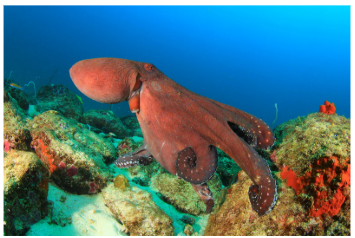
Eaten By Love: Why It Feels Wrong When Things Get Easier
"Eaten by Love: Why It Feels Wrong When Things Get Easier" is a reflection by Adela Baker, ADHD coach and founder of Mind Coach, LLC in New Orleans, written after a scuba diving encounter with a mother octopus in the northern Adriatic. Using the octopus's biological sacrifice as a mirror, the post explores the difference between destiny and choice, and questions why martyrdom, whether in motherhood or in work, is so often treated as the price of love rather than one option among many. A client story illustrates what changes when a driven professional stops performing productivity and starts choosing it. The piece speaks to Turbo Thinkers® navigating self-imposed pressure, negative self-talk, and the guilt that can surface when success starts to feel easier than it "should."

Chipping Away: What Crazy Horse and Gaudí Know That FIFA Doesn't
"Chipping Away" is a blog post by Adela Baker, ADHD coach and founder of Mind Coach, LLC in New Orleans. Written during the 2026 FIFA World Cup, it uses the tournament's dopamine-driven pull, along with the neuroscience of compulsion versus deliberate choice, as a lens for a much older question: how do we find belonging that lasts? Drawing a contrast between FIFA's profit-driven, deadline-bound model and two donation-funded, generations-long projects, the Crazy Horse Memorial and the newly completed Sagrada Família, the post explores how Turbo Thinkers® can redirect the same craving for connection and quick dopamine relief toward something slower, more intentional, and rooted in personal values. It closes with coaching questions on identifying what truly matters, building community where everyone wins, and chipping away at meaningful work a little at a time.

Fantasía Fina
ver bought something shiny, only to get bored once the novelty faded? For Turbo Thinkers, chasing the "bright and shiny" is easy—but maintaining it is the real challenge. Discover how to navigate the neurodivergent dilemma of novelty vs. maintenance, and learn when to "resparkalize" your habits, relationships, and career, and when it’s finally time to let go.

Feel the Funk
New Orleans funk and the ADHD brain have more in common than you think. Learn to hear your own groove, and everything changes.

Human or Bot? It Matters a Lot! A Tale of Multiple Intelligentsias
This post explores the growing role of AI tools in coaching and daily life, with particular attention to the risks and opportunities for adults with ADHD and high-achieving professionals. Drawing on current research in AI coaching efficacy, neurodiversity, and the neuroscience of empathy, it argues that while AI excels at logistical and practical support, it cannot replicate the advanced human capacities required for transformational coaching. These include listening for the lies clients tell themselves, recognizing neurodivergent patterns that fall outside neurotypical datasets, and co-creating new narratives rooted in the client’s own strengths and agency. The post introduces Angus Fletcher’s framework of Primal Intelligence, including intuition, imagination, emotion, and commonsense, as distinctly human capacities that AI was never built to access. Through four client stories, it illustrates when AI serves as a valuable tool, when human coaching is essential, and how the two can work together for the best outcomes. The post concludes with reflection questions inviting readers to examine their own relationship with AI and their trust in their own intelligence.
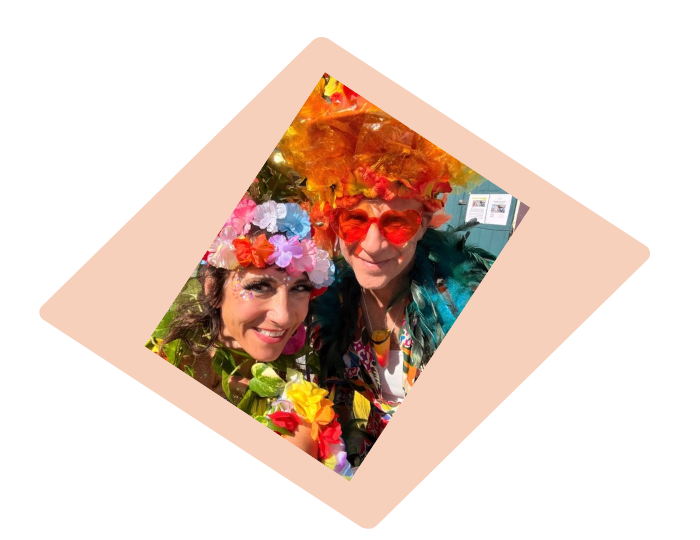
Bubbles & Belonging: The Science of Collective Effervescence
This article explores the phenomenon of collective effervescence, the shared energy we experience in communal rituals, celebrations, and gatherings, through the lens of New Orleans Mardi Gras. Drawing on the research of sociologist Emile Durkheim and philosopher Mikhail Bakhtin, as well as personal experience and the latest well-being research, it connects the science of belonging to the lived challenges of Turbo Thinkers: isolation, depletion, distraction, and hustle culture. It offers practical pathways to create your own collective effervescence, no parade route required.

The Alchemy of Satire
Satire and creative expression serve as alchemy for Turbo
Thinkers, transforming anxiety and anger into empowerment and community through
the natural strengths of curiosity, creativity, and humor.

Cultivating Excellence: When 2026 Is About Depth, Not Expansion
Is it acceptable to NOT have a stretch goal for 2026? Is it acceptable to deliberately focus on refining what already exists rather than expanding into new territory?
Who Am I to Talk About Mastery?
Discover why true mastery isn’t effortless skill but the willingness to stay curious, embrace beginner’s mind, and return to not knowing with love over ego.

Better Together
Many of us struggle when we find ourselves alone — yet those moments hold important clues. Boredom may be nudging us toward creativity, loneliness may be calling us back to connection, and solitude may be offering us space to recharge. Instead of rushing to fill the silence with distractions, we can learn to listen to what our emotions are telling us. By reframing discomfort as guidance, we discover that being alone can be a pathway to innovation, authentic relationships, and even awe.

Living Big: What If Balance Isn't What We Really Need?
Many of us struggle when we find ourselves alone — yet those moments hold important clues. Boredom may be nudging us toward creativity, loneliness may be calling us back to connection, and solitude may be offering us space to recharge. Instead of rushing to fill the silence with distractions, we can learn to listen to what our emotions are telling us. By reframing discomfort as guidance, we discover that being alone can be a pathway to innovation, authentic relationships, and even awe.

Being Alone: What Do Our Emotions Tell Us?
Many of us struggle when we find ourselves alone — yet those moments hold important clues. Boredom may be nudging us toward creativity, loneliness may be calling us back to connection, and solitude may be offering us space to recharge. Instead of rushing to fill the silence with distractions, we can learn to listen to what our emotions are telling us. By reframing discomfort as guidance, we discover that being alone can be a pathway to innovation, authentic relationships, and even awe.

My Former Life Coach Helps Us Shift Focus
In this candid interview, ADHD and executive coach Adela Baker shares how to shift focus, protect your peace, and stay aligned with your values during turbulent times. From gratitude practices to tackling social media addiction, discover practical ways to stop spiraling and reclaim your energy.

Curating Energy: Protecting Your Spark in a Noisy World
Learn how to protect and cultivate positive energy as a Turbo Thinker. Discover strategies to tune out noise, build resilience, and reconnect with joy.

Building Resilience and Hope Through Adaptability: Lessons from Hurricane Season
Learn how to build resilience and hope through adaptability with lessons from hurricane season. Discover practical strategies for Turbo Thinkers to thrive.

The Gift of Not Knowing: Why Beginner’s Mind Is a Turbo Thinker’s Secret Weapon
Discover how beginner's mind transforms ADHD challenges into opportunities. Learn why Turbo Thinkers thrive when they embrace curiosity over expertise, boosting confidence through fresh perspectives and wonder.

The Mirror of Self-Regulation: Moving From Understanding to Mastery
Discover how ADHD coaching transforms Turbo Thinkers© from capable to exceptional. Real client success stories show how weekly coaching sessions create breakthrough results in career, relationships, and personal growth. From gold medals to dream jobs - see what's possible.

From Stuck to Soaring: A Monday in the Life of Turbo Thinker© Coaching
Discover how ADHD coaching transforms Turbo Thinkers© from capable to exceptional. Real client success stories show how weekly coaching sessions create breakthrough results in career, relationships, and personal growth. From gold medals to dream jobs - see what's possible.

Creating Space to Flourish: How to Move into a New Season of Our Lives
Downsizing can be especially difficult for Turbo Thinkers. Our possessions often represent who we used to be and we struggle to let go. How can we reframe the idea of downsizing to focus less on who we were in our past and more on who we are becoming?

Defy the Hype! Practice Intentional Acts of Intelligence
As Turbo Thinkers©, we possess the strengths of our natural curiosity and tendency to question everything. But in a world of constant stimulation and endless information, even we can fall prey to hype without realizing it.